Ptosis Correction
Lift a drooping upper eyelid caused by weakened muscle, improving both vision and appearance.
Ptosis Correction, tailored to keep your eyes looking naturally yours
The eyes are the first thing people notice, so Ptosis Correction is planned with great care to refresh how you look without changing your expression into someone else's. At Bangladesh Cosmetic Surgery, every plan starts with an assessment of your eyelid skin, brow position, and underlying muscle function.
Your surgeon maps the ideal amount of correction against your natural eye shape and facial proportions, so the result reads as well-rested and refreshed rather than surgically altered.
- Heavy, drooping, or hooded upper eyelids that affect your look or vision
- Puffy under-eye bags or visible hollowing that make you look tired
- A brow position that has dropped or feels asymmetrical over time
- A desire to refine or redefine the natural shape of your eyes
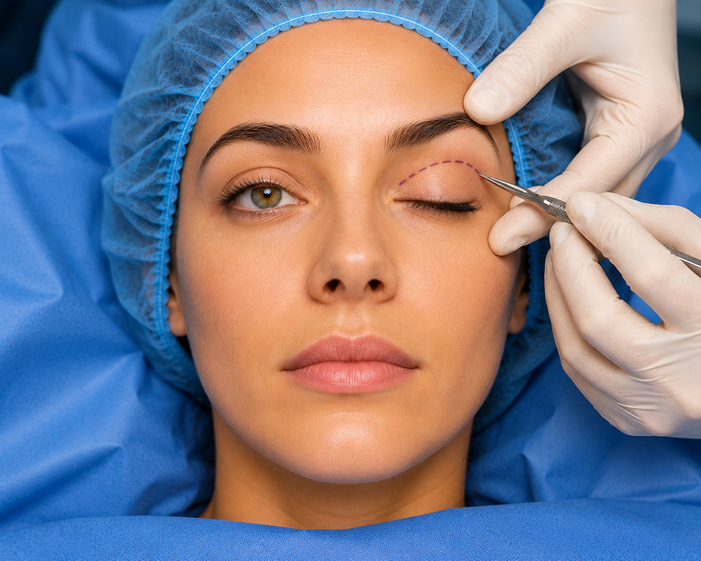
What Your Ptosis Correction Includes
Every Ptosis Correction at Bangladesh Cosmetic Surgery follows the same standard of personalized care, from first consultation to final results.
Personalized Consultation
A one-on-one assessment of your anatomy and goals to confirm Ptosis Correction is the right fit for you.
Detailed Surgical Planning
Your surgeon maps the exact technique and extent of correction for Ptosis Correction around your unique facial structure.
Advanced Surgical Technique
Ptosis Correction is performed using refined, precision techniques that prioritise natural-looking, proportionate results.
Comfortable Recovery Support
Clear aftercare guidance and pain management help you recover from Ptosis Correction with confidence.
Regular Follow-Up Care
Scheduled check-ins after Ptosis Correction let your surgeon track healing and address any concerns early.
Natural, Lasting Results
The goal of Ptosis Correction is always a result that looks like a natural, better version of you.
Your Ptosis Correction Journey
A typical path from first consultation to final results.
Consultation & Assessment
4 things that happen at your first visit
What happens during the first consultation?
Your surgeon reviews your medical history, examines the relevant anatomy, and listens to what you'd like to change with Ptosis Correction — this sets the direction for everything that follows.
Am I a good candidate for Ptosis Correction?
Candidacy depends on your anatomy, health history, and goals. Your surgeon will confirm during consultation whether Ptosis Correction is the right approach or whether an alternative may suit you better.
What should I bring or prepare?
Reference photos, a list of current medications, and any relevant medical or surgical history help your surgeon understand your goals faster.
How is my anatomy assessed?
Photographic analysis and, where needed, a physical examination are used to plan Ptosis Correction around your existing structure and proportions.
How is the technique decided for my case?
The exact approach for Ptosis Correction depends on how much correction is needed and your specific anatomy, and is discussed with you before you commit to surgery.
How is the plan tailored to me?
Your surgeon plans Ptosis Correction around your existing structure and skin so the result looks proportionate to your face or body, not a generic template.
Will other concerns be addressed in the same plan?
If related concerns are identified at consultation, they can often be discussed and, where appropriate, combined into the same surgical plan.
What does the final surgical plan include?
A clear outline of the technique for Ptosis Correction, expected changes, anesthesia type, and a realistic recovery timeline specific to your case.
What anesthesia is used for Ptosis Correction?
Ptosis Correction is typically performed under local anesthesia with sedation, or general anesthesia for combined procedures, administered and monitored by a qualified anesthesia team throughout the procedure.
How long does the procedure take?
Ptosis Correction typically takes 45 minutes to 2 hours, depending on the complexity of your case.
What happens during the procedure?
Surgery takes place in an accredited facility, with your surgeon carrying out Ptosis Correction according to the plan agreed beforehand.
Who is on the surgical team that day?
Your lead surgeon, an anesthesia specialist where relevant, and trained surgical staff are present throughout, with your vitals monitored continuously.
What dressing or aftercare is used right after surgery?
Most patients leave with fine sutures and a light cooling dressing, along with clear instructions on care for the treated area during the first days after Ptosis Correction.
How long until swelling settles?
Most visible swelling from Ptosis Correction fades over the first few weeks, though subtle refinement can continue for a few weeks.
What follow-up visits are scheduled?
Check-ins are scheduled at key healing milestones so your surgeon can track progress after Ptosis Correction and address any concerns early.
When can I return to normal activities?
Most patients return to non-strenuous activity within 5–7 days after Ptosis Correction; strenuous exercise is usually paused for several weeks longer.
Led By Board-Certified Surgeons
Your Ptosis Correction is planned and performed by our senior plastic surgery team.
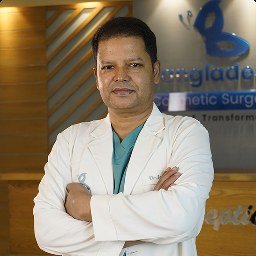
Dr. Iqbal Ahmed