Hydrafacial
Cleanse, exfoliate, and hydrate the skin in one gentle, multi-step treatment.
Hydrafacial, planned around your skin's own repair process
Hydrafacial works with your skin's natural structure and repair mechanisms, and at Bangladesh Cosmetic Surgery it's planned around your skin type, concerns, and goals — not a fixed, one-size-fits-all protocol.
Your practitioner assesses your skin condition, laxity, and texture before recommending the settings, technique, or number of sessions for Hydrafacial, so the result looks refreshed and natural, never overdone.
- Loosening skin, textural changes, or early sagging
- Uneven texture, enlarged pores, or dull-looking skin
- A desire for firmer, smoother skin without surgery or downtime
- Interest in maintaining results between more invasive procedures
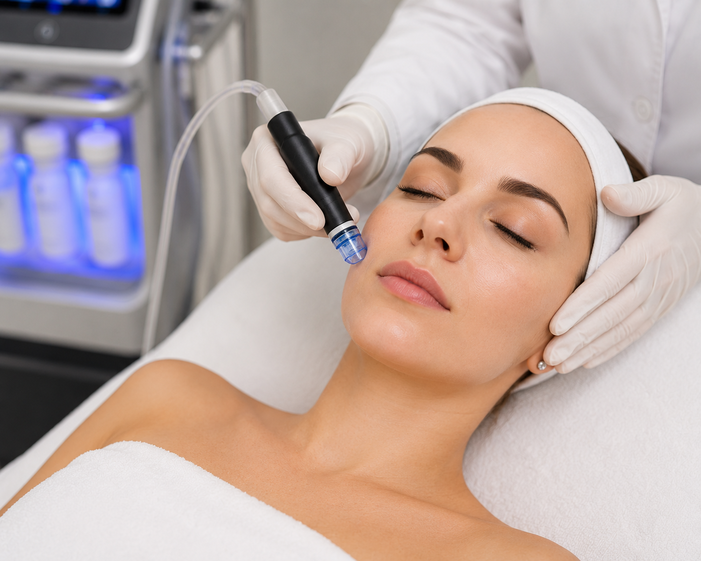
What Your Hydrafacial Includes
Every Hydrafacial session at Bangladesh Cosmetic Surgery follows the same standard of personalized care, from first consultation to final results.
Personalized Consultation
A one-on-one assessment of your skin and goals to confirm Hydrafacial is the right fit for you.
Detailed Treatment Planning
Your practitioner maps the dose, technique, and areas for Hydrafacial around your unique skin and facial structure.
Precise Application
Hydrafacial is performed using careful, precise technique that prioritises natural-looking, proportionate results.
Comfortable Treatment Experience
Topical numbing and a gentle technique help make Hydrafacial comfortable from start to finish.
Simple Aftercare Guidance
Clear, easy-to-follow aftercare advice helps you get the most out of your Hydrafacial results.
Natural, Refreshed Results
The goal of Hydrafacial is always a result that looks like a rested, refreshed version of you.
Your Hydrafacial Journey
A typical path from first consultation to final results.
Consultation & Assessment
4 things that happen at your first visit
What happens during the first consultation?
Your practitioner reviews your skin, medical history, and goals, and listens to what you'd like to change with Hydrafacial — this sets the direction for everything that follows.
Am I a good candidate for Hydrafacial?
Candidacy depends on your skin condition, health history, and goals. Your practitioner will confirm during consultation whether Hydrafacial is the right approach or whether an alternative may suit you better.
What should I bring or prepare?
A list of current medications, any known allergies, and a note of any recent skin treatments help your practitioner plan Hydrafacial safely.
How is my skin assessed?
A close visual and physical assessment is used to plan Hydrafacial around your specific skin type, concerns, and goals.
How is the technique decided for my case?
The exact approach for Hydrafacial depends on your skin concerns and goals, and is discussed with you before your first session.
How is the plan tailored to me?
Your practitioner plans Hydrafacial around your skin type and facial movement so the result looks natural, not a generic template.
Will other concerns be addressed in the same plan?
If related concerns are identified at consultation, they can often be discussed and, where appropriate, combined into the same treatment plan.
What does the final treatment plan include?
A clear outline of the technique for Hydrafacial, expected changes, number of sessions if any, and a realistic timeline specific to your case.
Is anesthesia used for Hydrafacial?
Hydrafacial is typically performed with no anesthesia, or a topical numbing cream for comfort, keeping the treatment quick and comfortable.
How long does the treatment take?
Hydrafacial typically takes 20–60 minutes, making it easy to fit into a lunch break.
What happens during the treatment?
Treatment takes place in a clean, accredited clinic setting, with your practitioner carrying out Hydrafacial according to the plan agreed beforehand.
Who performs the treatment?
A trained practitioner performs Hydrafacial under the supervision of our senior medical team.
What aftercare is needed right after treatment?
Most patients need no dressing — just simple aftercare instructions and sun protection, along with simple guidance on what to avoid during the first hours after Hydrafacial.
How long until I see results?
Visible improvement from Hydrafacial typically develops over a few weeks as skin continues to remodel, with results building gradually rather than overnight.
Will I need follow-up sessions?
Some patients benefit from a short course of sessions or periodic top-ups after Hydrafacial; your practitioner will advise what's right for your goals.
When can I return to normal activities?
Most patients return to normal activities within 0–3 days after Hydrafacial, with minimal to no visible downtime.
Led By Board-Certified Surgeons
Your Hydrafacial is planned and performed by our senior medical aesthetics team.

Dr. Iqbal Ahmed